Exploring the Diverse Realms of TTRPG Genres
16th Apr 2026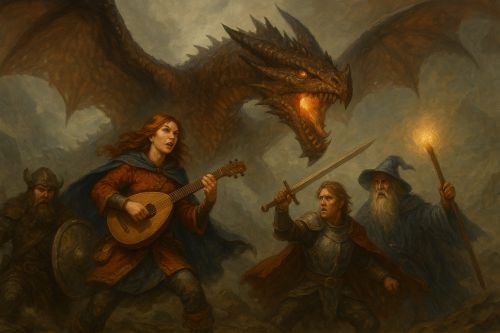
Introduction to the World of TTRPGs
Tabletop role-playing games (TTRPGs) have long enchanted enthusiasts with their blend of imagination and strategic play. They emerged from the early experiments of gaming innovators who reimagined board games into interactive adventures. Historical roots can be traced back to the pioneering work of figures in the 1970s who sought to forge a new path in gaming. Through a melding of narrative tradition and competitive excitement, these games evolved into a unique form of interactive storytelling. This evolution laid the foundation for communities bound by a shared love for narrative exploration and tactical engagement.
The variety within TTRPGs is as vast as the realms they depict, stretching from medieval fantasy to dystopian futures. Creators continuously debunk the notion that there exists a singular style, instead offering myriad systems that address different player motivations. Creative collaboration has been the engine driving this diversity, with players and Dungeon Masters alike contributing to ever-changing narratives. Each system encourages participants to enrol their creative prowess in shaping adventures that are as unique as the individuals behind them. This creative interplay nurtures a dynamic spectrum where rules may evolve and characters transcend the ordinary.
Community and inclusivity remain at the heart of TTRPG experiences, forging bonds that extend beyond mere game nights. Fans come together not only to play but also to share diverse perspectives and creative contributions. This communal spirit underpins every session, where each members influence adds depth to the unfolding story. As one noted, "At its heart, Dungeons & Dragons is about the joy of collaborative storytelling." (Forbes, How Dungeons & Dragons Conquered the World, 2019) Such ethos measures the true success of TTRPGs as social adventures and creative enterprises.
Exploring the Spectrum of Genres
TTRPGs do not confine themselves to a single archetype; instead, they offer an expansive spectrum of genres that appeal to a wide range of sensibilities. This diversity means players are not restricted to one narrative style, but can explore settings as distinct as sprawling mythic kingdoms or high-tech space odysseys. A rich tapestry of narrative traditions awaits in each system, inviting new explorers with every dice roll. The concept of a singular gaming style is replaced by a plethora of artistic interpretations, each imbued with its own cultural charms. This diversity continues to challenge the assumption that there is but one correct way to forge an adventure.
Various gaming worlds, including fantasy, science fiction, horror, and steampunk, provide comparative experiences that highlight the nuances inherent in each genre. High fantasy might invoke visions of enchanted forests and mystical creatures, while futuristic settings lean towards high technology and interstellar challenges. Horror settings, meanwhile, cultivate tension by focusing on the unknown and the unseen. These worlds, though diverse, share a common commitment to engaging players through unique narrative challenges. The interplay of differing atmospheres provides endless subject matter for discussion and exploration among fellow gamers.
Different genres mean that there is indeed a quest for every adventurer, regardless of their preference or background. Gamers can choose settings that best reflect their desire for magic-infused escapism or tech-led narratives of futuristic conquest. Each style carries with it a distinctive set of aesthetics that shape the storytelling process and gameplay. As one inspiring voice stated, "Every campaign is a new adventure, a blank canvas on which to paint your dreams." (Matthew Mercer, Critical Role Panel Discussion, 2016) This variety ensures that TTRPGs continue to cater to an increasingly discerning and diverse audience.
High Fantasy Adventures and Mythical Realms
High fantasy adventures captivate players with their tales of dragons, magic, and epic quests. This genre is defined by vast imaginary worlds where mystical forces reign supreme and heroic journeys await at every turn. The narrative is steeped in mythic traditions, drawing on the legacies of ancient lore and modern reinterpretations alike. Players embrace roles that cast them as valiant knights, cunning wizards, or daring rogues, embarking on quests fraught with challenges and wonder. Such escapades are fundamental to the enduring allure of high fantasy as a genre.
Immersive world-building is a hallmark of high fantasy, with intricate maps, detailed histories, and legendary creatures populating every corner of the narrative. Game masters painstakingly craft each setting to ensure that every element, from enchanted forests to forbidding castles, feels tangible and significant. Traditional narrative structures that rely on quests, prophecies, and ancient relics further elevate the experience. The narrative technique draws participants deeper into the story, transforming them into integral players in an unfolding saga. This attention to detail creates a shared space where myth and modernity meet in dramatic fashion.
The rich elements of magic and heroism foster an environment ripe for legendary adventures and profound role-play. Each session in a high fantasy setting provides opportunities for players to craft personal sagas intertwined with grand epic tales. The bonds formed through these narrative journeys often mirror the camaraderie found in classic mythological epics. As a famous innovator once observed, "Dungeons & Dragons is not only a game; its a way of life." (Gary Gygax, Playboy Interview, 1979) In this way, high fantasy not only entertains but also galvanises a community of dreamers and fighters alike.
Futuristic Sci-Fi and Alternate Universes
The realm of futuristic sci-fi in TTRPGs introduces gamers to settings characterised by advanced technology, alien worlds, and innovative concepts. Players encounter narratives that push beyond classical boundaries, embracing radical visions of the future. This genre often integrates elements from cyberpunk aesthetics, outer space exploration, and futuristic societal dilemmas. With each session, technology and imagination collide to unlock scenarios that challenge both logic and conventional storytelling. In this new frontier, the rules of physical space and traditional magic are redefined in favour of technological wonders.
Comparisons between futuristic universes and classic fantasy worlds reveal a striking divergence in ambient creativity and thematic focus. While fantasy emphasises enchanted relics and ancient curses, sci-fi narratives revolve around advanced gadgets, alien technologies, and systemic innovations. The environments in futuristic settings lend themselves to narratives where moral dilemmas arise from technological advancements rather than mythical curses. This genre therefore attracts players who seek both cerebral challenges and inventive game mechanics. Such contrasts deepen the gaming experience, offering a palette of themes to suit the preferences of every adventurer.
In futuristic campaigns, the narrative tone diverges considerably from the passionate fervour of traditional quests. Instead, the focus often shifts towards problem-solving with technological twists and exploration of alternate realities. Game mechanics in sci-fi adventures may include cybernetic enhancements and futuristic weaponry that alter strategic interactions. As one wise commentator mentioned, "At its heart, Dungeons & Dragons is about the joy of collaborative storytelling." (Forbes, How Dungeons & Dragons Conquered the World, 2019) These differing mechanics and narrative approaches enrich the TTRPG universe by offering fresh challenges and immersive plots.
Comparative Analysis of Game Mechanics
TTRPG systems differentiate themselves through a wide range of game mechanics that shape how adventures are played. Dice systems, turn-based play and various narrative controls all contribute to unique gaming experiences. In this comparative landscape, each mechanic offers its own advantages and trade-offs, impacting how strategy and unpredictability intertwine. The choice of game mechanics can dictate the level of immersion and the clarity of communication between players and the game master. This analytical perspective allows enthusiasts to decide which system suits their play style best.
A comparative analysis reveals that turn-based play often provides structure while remaining adaptable enough to encourage creative decision-making. Dice systems further add elements of chance, forcing players to confront unpredictable outcomes in the midst of their quests. Narrative control varies widely; some systems invest more responsibility in the game master while others equally share storytelling roles between participants. This balance of structure and freedom is critical for maintaining both strategic depth and imaginative flow. Each system ultimately contributes to unique experiences where mechanics and myth converge into a single tapestry.
The impact of these mechanics is best understood through their ability to foster immersion, strategic interplay and heightened engagement among players. Subtle differences in dice probabilities and narrative pacing can dramatically alter how a session unfolds. Examining each system through the lens of player feedback offers critical insights into the evolving nature of TTRPGs. For details on the standard practices and innovations in game mechanics, one can refer to information on the "Wizards of the Coast Official Website (www.dnd.wizards.com)". These comparisons demonstrate why diverse mechanics further the allure of TTRPGs by challenging both the intellect and creativity of each player.
The Art of Collaborative Storytelling
The collaborative nature of storytelling in TTRPGs transforms each session into a shared narrative masterpiece. At its core, this art form is built on the premise that every participant adds a unique brushstroke to the evolving picture. Players actively construct stories that are layered with personal insights and collective contributions. The constant interplay between dialogue, decision-making, and creative input transforms routine game sessions into profound artistic endeavours. This culture of shared narrative engagement is what sets TTRPGs apart as a dynamic storytelling medium.
Group dynamics play an essential role in shaping the narrative direction, particularly as diverse Dungeon Masters interpret and weave the plot in different ways. The influence of an individual game master can determine whether a session unfolds in a humorous or heroic tone. Equally, player decisions can pivot the storyline in unexpected directions, ensuring that every session is inherently unpredictable. This mutual exchange underscores a fundamental truth: every set of players creates a narrative ecosystem unique to them. Such collaborative efforts highlight the importance of mutual respect and creative freedom in enhancing the overall story.
Creative freedom remains at the heart of every campaign, empowering players to contribute personal anecdotes and imaginative twists. Individual input is not only encouraged but is vital in defining each characters journey and the overarching plot. The freedom to pivot narratives contributes to personal growth while strengthening group cohesion. Reinforcing this idea, it has been noted that "Every campaign is a new adventure, a blank canvas on which to paint your dreams." (Matthew Mercer, Critical Role Panel Discussion, 2016) This spirit of co-authorship transforms each game into a rich tapestry of shared human experience and creative daring.
Inclusivity and Community in Tabletop Gaming
Inclusivity is an essential ingredient in crafting a truly welcoming TTRPG environment. These games have long stood as a bastion for those who yearn for creative expression without boundaries. Inclusive gaming sessions actively encourage participation regardless of background, ensuring that every voice can contribute to the narrative. The creation of safe spaces where all individuals feel valued is central to the enduring appeal of tabletop adventures. Such environments foster an atmosphere where differences are celebrated and stories become richer as a result.
Tabletop gaming sessions provide a platform where diverse groups come together to share their varied creative experiences. Participants from different walks of life bring distinct perspectives which, when harmonised, transform sessions into multicultural odysseys. This diversity reflects in the range of characters portrayed and the narratives crafted, delivering multifaceted storylines. Even as the game unfolds, the shared commitment to inclusivity unites individuals who might otherwise view the world through different lenses. This welcoming ethos not only bolsters group morale but also enriches the overall narrative experience.
The benefits of community building within tabletop gaming extend well beyond the gaming table, nurturing lasting relationships grounded in mutual respect and shared ambition. Bonds forged in the heat of imaginative battles often transcend the game, leading to enduring friendships and a supportive network. The communal spirit embedded in these sessions enhances trust, creativity and team spirit, making each adventure a collective triumph. This sense of belonging provides a safe haven for creative expression and reaffirms that every participant is an essential part of the narrative. In these gatherings, every personal journey weaves into the grand tapestry of community, highlighting the intrinsic value of inclusivity.
The Future and Evolution of TTRPGs
Current trends in TTRPGs suggest an exciting future marked by constant innovation and evolution. Emerging game formats couple traditional storytelling with modern technological advancements, offering richer narratives and immersive interactivity. The landscape is progressively adapting to the interests of a digital generation while retaining the core values of communal storytelling. Observations suggest that TTRPGs will continue to evolve in response to both technological trends and shifting social norms, making each session a glimpse into a future of endless creative possibilities. These changes ensure that the essence of role-playing remains fresh and continually engaging.
Technology increasingly plays a crucial role in reshaping how TTRPGs are experienced, with virtual interfaces, online platforms and augmented reality enhancing gameplay. This integration of digital tools introduces innovative methods for narrative delivery, allowing players to interact with intricate worlds beyond the limitations of physical spaces. It is not merely the mechanics that evolve; the storytelling itself embraces digital enhancements that enrich the sensory and emotive experience. These technological influences enable a seamless blending of tradition and innovation, ensuring maximum engagement. Such mechanisms invite players to envision the endless potential of hybrid gaming experiences that merge the physical with the virtual.
Looking ahead, the evolution of TTRPGs will undoubtedly continue to intertwine with the inventive spirit of both creators and players. Ever-changing interests and adaptive narratives will keep the role-playing landscape dynamic and resilient. Even as technological innovations redefine boundaries, the time-honoured traditions of inclusive, collaborative storytelling will remain the backbone of every campaign. As observed by industry commentators, the evolving narratives mesh with the passion of dedicated communities to carry the legacy forward, ensuring that tabletop role-playing games remain a dynamic field. For further insights into the history and evolution of these games, one need only consult sources such as Polygon's "A Brief History of Dungeons & Dragons."